Source handmade anti pilling crochet blanket for gifts, travel, and decor
Compare 30 handmade anti pilling crochet blanket options from verified suppliers in China. Buyers can review materials like knitted and minky dot fabrics, sizes, and customization features for baby gifts and all-season use; compare the available evidence and request quotations based on your requirements.
Key considerations
Products List


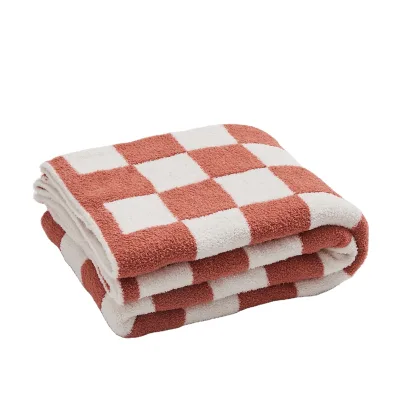
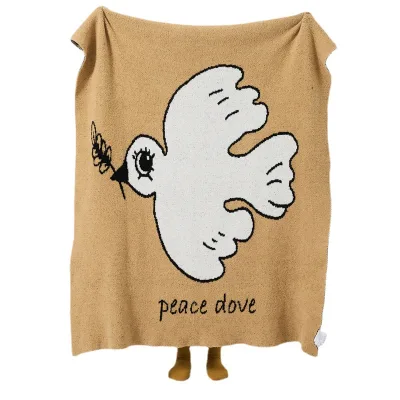
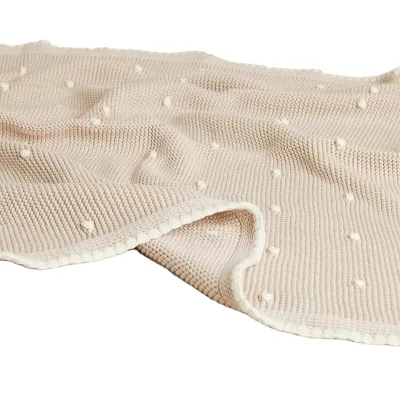
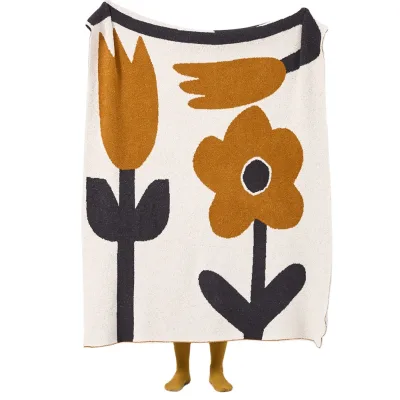




Comprehensive Sourcing Guide
Handmade Anti Pilling Crochet Blanket Sourcing Guide
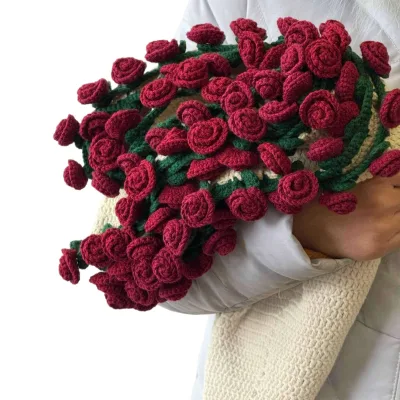
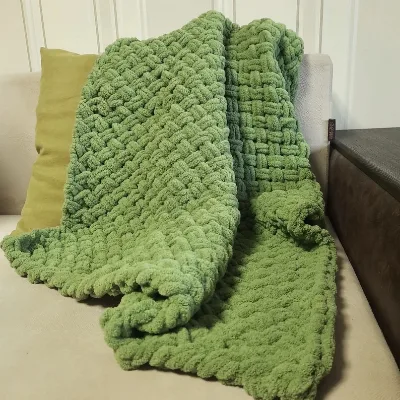
Sourcing handmade anti-pilling crochet blankets requires a nuanced understanding of textile construction and manufacturing capabilities. While the market offers various knitted and woven alternatives, the specific demand for crochet techniques combined with anti-pilling treatments presents unique procurement challenges. Buyers must distinguish between true handcrafted items and machine-made imitations that merely mimic the aesthetic. The provided data indicates a diverse range of products, including knitted baby blankets and minky dot fabrics, which serve as relevant comparators for material quality and finish. Understanding these distinctions is critical for defining precise technical requirements and avoiding misaligned supplier expectations.
The procurement landscape for this category is heavily influenced by customization capabilities and origin geography. Suppliers in Zhejiang and Ningbo, China, demonstrate strong OEM/ODM acceptance, offering flexible branding and packaging solutions. However, the term "handmade" often conflicts with the high-volume MOQs observed in standard listings, such as 500 pieces. Buyers must clarify whether the supplier provides artisanal hand-crocheting or industrial crochet machinery that ensures consistency. This distinction directly impacts lead times, unit costs, and the ability to scale orders. Aligning commercial terms with production realities ensures that the final product meets both aesthetic and functional expectations for end-users.
Product Scope and Observed Listing Signals
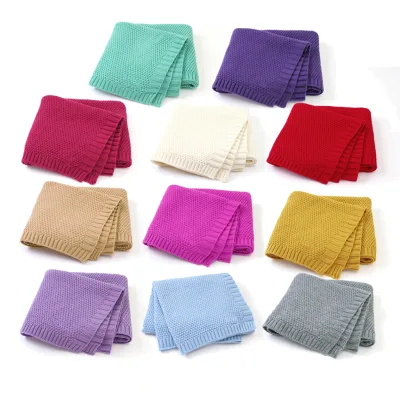
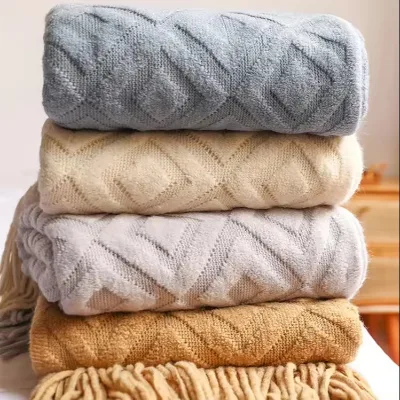
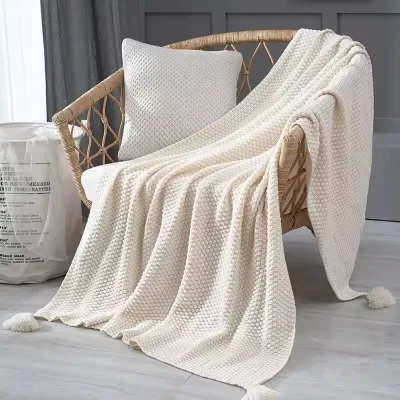
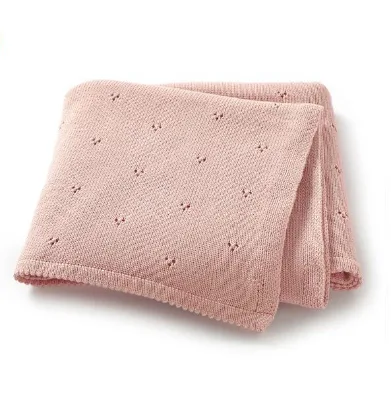
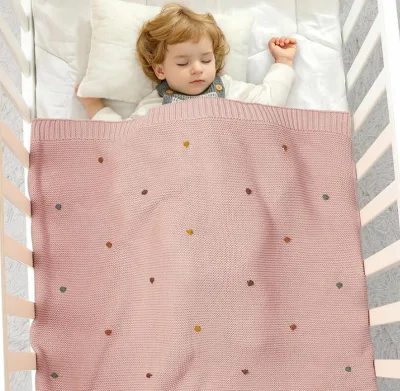
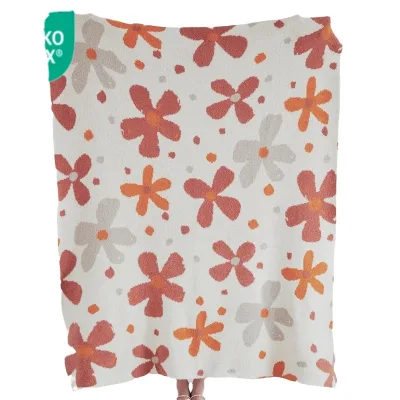
The observed product listings reveal a broad spectrum of baby and kid-oriented blankets, highlighting key material and design trends. Common attributes include knitted constructions, minky dot baby fabric paired with Sherpa fleece, and printed cartoon animal designs. These items are typically marketed for all-season use and emphasize safety for babies and kids. The presence of specific model numbers like dol20230421 and DOL-L-20220226-3 suggests a standardized inventory system, yet the customization options allow for significant variation. Buyers should note that while "crochet" is the core keyword, many listed items are technically woven or knitted, requiring careful verification of the actual stitch type.
Packaging and logistical details provide further insight into the product scope. Items are frequently packed in OPP bags or polybags within cartons, with single package sizes ranging from 28x28x28 cm to 30x30x5 cm. Weights vary significantly, from 0.380 kg to 0.500 kg, reflecting differences in fabric density and size. Colors such as pink and red are common, alongside plain styles and dyed patterns. The "anti-pilling" claim, while central to the search, is not explicitly detailed in the provided facts. Buyers must treat this as a verification point, ensuring that the selected fabric, whether knitted or fleece-based, possesses the necessary durability and surface integrity to resist pilling over time.
Technical Specifications to Verify
Verifying the technical specifications of crochet blankets is essential to ensure they meet durability and aesthetic standards. Buyers must confirm the yarn count and thread count, as these metrics directly influence the fabric's density and resistance to pilling. The provided data mentions a 200TC thread count and a fabric count of 40, which are relevant benchmarks for woven or knitted alternatives. For crochet items, the stitch density and yarn material composition are critical. Buyers should request detailed specifications on the yarn type, such as acrylic, cotton, or blends, and verify if anti-pilling treatments are applied during the spinning or finishing process.
Size and weight specifications also require precise definition to avoid logistical discrepancies. The observed sizes include 100*80cm and OEM options, with single gross weights around 0.500 kg. Buyers must specify the exact dimensions and weight tolerance for their orders, as these factors impact shipping costs and product feel. Additionally, the construction technique must be clearly defined. While some listings mention "hand knitting" or "woven" techniques, true crochet involves a distinct single-yarn loop structure. Buyers should request samples to verify the stitch pattern and ensure that the "anti-pilling" characteristic is inherent to the material rather than a superficial coating that may wear off.
Compliance and Safety Documentation
Safety compliance is paramount when sourcing blankets intended for babies and kids. The provided facts highlight that the products are suitable for babies and kids, implying a need for rigorous safety testing. Buyers must verify that the materials used, including yarns and dyes, comply with relevant international standards. Although specific certification statuses are not confirmed in the data, standards such as EN71-3, OEKO-TEX, EN71, and ASTM F963 are commonly referenced in this category. Buyers should request current test reports from accredited laboratories to ensure that the blankets are free from harmful substances and meet flammability and mechanical safety requirements.
Documentation also extends to material safety and chemical restrictions. Buyers must ensure that the anti-pilling treatments, if any, do not introduce hazardous chemicals. The use of microfiber fabrics and Sherpa fleece, as seen in some listings, requires verification of their origin and processing methods. Buyers should ask suppliers to provide material safety data sheets (MSDS) and declarations of conformity. Additionally, labeling requirements must be checked, including care instructions and fiber content labels, which are often mandated by consumer protection laws in target markets. Proper documentation not only ensures legal compliance but also builds trust with end consumers who prioritize safety and quality.
Cost Drivers and Commercial Terms
Cost drivers for handmade anti-pilling crochet blankets include material quality, labor intensity, and customization complexity. The use of high-grade, anti-pilling yarns increases raw material costs, while the labor-intensive nature of crochet work impacts production expenses. The provided data shows a price range of 0.92-41.09 USD, reflecting significant variation based on size, material, and design. Buyers must understand that lower prices may correlate with machine-made imitations or lower-quality materials. Customization options, such as OEM branding and specific packaging, can also add to the overall cost.
Commercial terms, including MOQ and payment methods, play a crucial role in procurement planning. The observed MOQ range is 1-500 pieces, with some listings specifying 500 PCS for custom orders. Buyers should negotiate MOQs based on their sales volume and storage capacity. Payment terms typically include T/T, Western Union, and L/C, offering flexibility for different transaction sizes. Lead times are not explicitly stated but are influenced by the complexity of the crochet pattern and the supplier's production schedule. Buyers should clarify lead times and payment schedules in the contract to avoid delays and ensure smooth cash flow management.
Supplier Qualification and Quality Control
Supplier qualification is critical for ensuring consistent quality in handmade crochet blankets. Buyers should verify the supplier's production capabilities, distinguishing between true hand-crocheting and machine-based processes. The provided data indicates that suppliers in Zhejiang and Ningbo offer OEM/ODM services, suggesting a level of professional manufacturing infrastructure. Buyers should request factory audits or virtual tours to assess the working conditions and quality control processes. Additionally, checking the supplier's history and client references can provide insights into their reliability and consistency.
Quality control measures must be clearly defined and enforced throughout the production process. Buyers should establish detailed quality standards, including stitch consistency, color fastness, and anti-pilling performance. Pre-production samples should be approved before bulk manufacturing begins. During production, random inspections should be conducted to identify and rectify defects early. Final random inspections (FRI) should be performed before shipment to ensure that the products meet all agreed-upon specifications. Buyers should also define clear rejection criteria and remediation processes for non-conforming goods to protect their interests and maintain brand reputation.
Long-Term Procurement Checks
Long-term procurement success depends on continuous monitoring of supplier performance and market trends. Buyers should establish key performance indicators (KPIs) to track supplier reliability, including on-time delivery rates, defect rates, and responsiveness to issues. Regular performance reviews should be conducted to identify areas for improvement and reinforce good practices. Additionally, buyers should stay informed about changes in material costs, labor regulations, and consumer preferences that may impact the sourcing strategy. Adapting to these changes ensures that the procurement process remains efficient and competitive.
Building a strong relationship with suppliers is also essential for long-term success. Open communication and collaboration can lead to better product development and problem-solving. Buyers should engage in regular dialogues with suppliers to discuss future needs, potential innovations, and mutual challenges. This collaborative approach can foster loyalty and priority treatment during peak seasons. Furthermore, buyers should diversify their supplier base to mitigate risks associated with single-source dependencies. Maintaining a pool of qualified suppliers ensures continuity of supply and provides leverage in negotiations, ultimately supporting the long-term stability and growth of the business.
FAQs
What materials are used for the baby blanket?
The baby blanket is crafted from knitted fabric or minky dot baby fabric combined with Sherpa fleece. These materials ensure softness and warmth suitable for infants. The design features cartoon animal prints and is available in colors like pink and red. The product is safe for babies and kids, offering a cozy texture for all-season use.
Can I customize the logo and design?
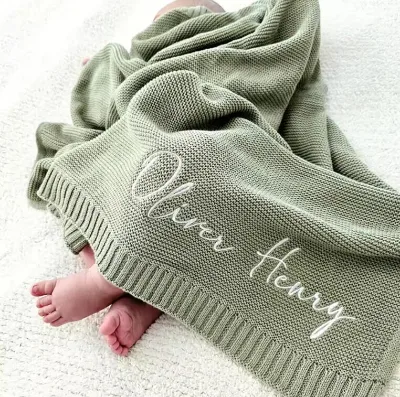
Yes, OEM and ODM services are acceptable for this product. Buyers can customize the logo, design, and size according to their requirements. The brand name is dolphineshow, but custom branding is supported. This flexibility allows businesses to create unique products tailored to specific market needs or gift occasions for children.
What is the minimum order quantity for this item?
The minimum order quantity is 500 pieces for custom orders. This MOQ applies to the baby blanket product line. Buyers should note that standard items may have different requirements. The supplier accepts various payment methods including T/T and Western Union to facilitate the transaction process for bulk purchases.
How is the product packaged for shipping?
Each blanket is packed in an OPP bag or polybag. The single package size is approximately 28x28x28 cm or 30x30x5 cm depending on the model. The gross weight is around 0.5 kg or 0.38 kg. This packaging ensures protection during transit while keeping the product compact and ready for retail distribution.
Where is the product manufactured?
The product originates from Zhejiang, China, with some listings indicating Ningbo or Zhenjiang. These locations are known for textile manufacturing capabilities. Buyers can expect consistent quality from these regions. The factory supports customization and offers competitive pricing for bulk orders, making it a reliable source for baby blanket procurement.
What are the available sizes for the blanket?
Sizes are available in OEM specifications, including 100x80 cm for certain models. The product is designed to fit various needs for infants and children. Buyers can request specific dimensions to match their requirements. The flexible sizing options allow for customization, ensuring the blanket meets the desired coverage and comfort standards for different age groups.